
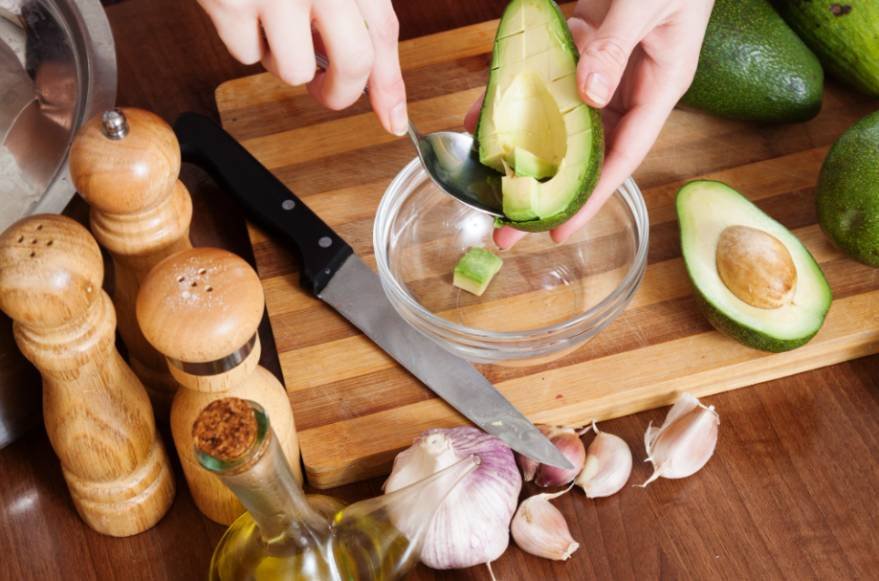
A cut avocado does not need to lose its fresh green color just because you only used half of it. The browning starts when exposed flesh comes into contact with oxygen, which means the best storage methods all work by limiting that exposure and slowing oxidation.
I have found that how to store cut avocados without turning brown is less about one magic trick and more about choosing the right barrier. Tight plastic wrap, citrus juice, oil, airtight containers, onion, and vacuum sealing can all help in different situations. Once you understand how each method works, it becomes much easier to keep leftover avocado looking fresher and tasting better for your next meal.
Why Does a Cut Avocado Turn Brown So Fast?
Avocado flesh begins changing color when it is exposed to oxygen. The fruit contains an enzyme called polyphenol oxidase, or PPO. Once you slice into the avocado and break its cells, that enzyme interacts with naturally occurring compounds and oxygen, triggering enzymatic browning.
It is similar to what happens when you cut an apple or banana and leave it exposed.
The most successful avocado-storage methods therefore work in one of two ways: they physically block oxygen from reaching the flesh, or they slow the enzymatic reaction. Some methods do both.
What Is the Best Way to Store Half an Avocado?
For everyday use, tight plastic wrap is one of the simplest and most practical solutions.
If the pit is still in the unused half, I leave it there. Then I press a piece of plastic wrap directly against every exposed part of the avocado flesh, making sure there are as few trapped air pockets as possible. Finally, I place the wrapped avocado in the refrigerator.
The pit itself does not magically protect the entire avocado. It simply prevents oxygen from touching the flesh underneath it. That is why the surrounding avocado may brown even while the area beneath the pit remains green.
For stronger protection, place the tightly wrapped half inside a small airtight container. If you regularly save leftovers, exploring these DIY storage solutions ideas can help you find practical ways to organize food and make better use of your kitchen storage space.
Does Lemon or Lime Juice Stop Avocado From Browning?
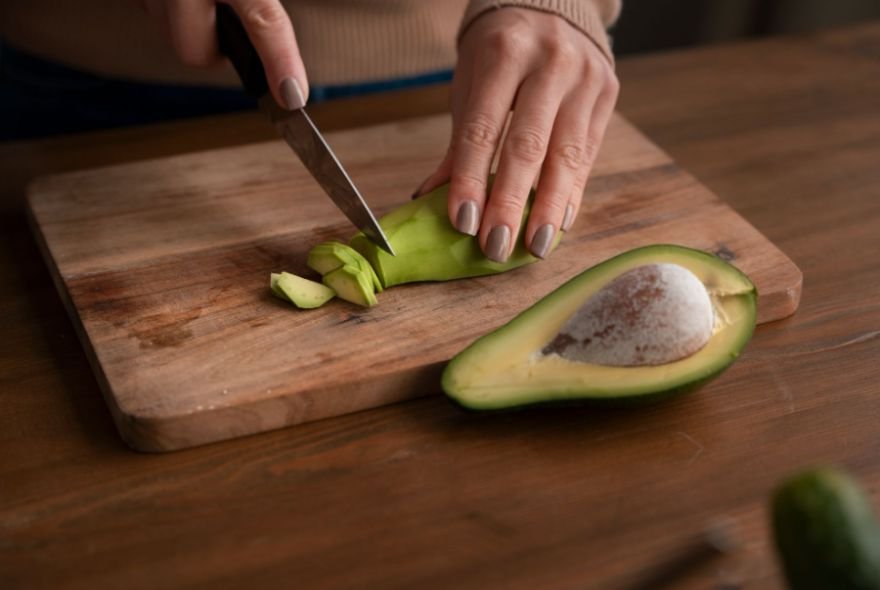
Lemon and lime juice are among the most useful options when the avocado will eventually go into tacos, toast, guacamole, salads, or another dish where a little citrus flavor works well.
The acidic juice helps slow the enzymatic browning reaction while also providing a light protective coating.
I squeeze or brush only a small amount over the exposed surface. Too much can make the outside of the avocado noticeably sour. After applying the juice, I cover the avocado tightly and refrigerate it.
Combining citrus juice with direct-contact plastic wrap is one of my preferred methods when I need the avocado to remain attractive until the next day.
Can Olive Oil Keep Cut Avocado Green?
A thin layer of oil provides another physical barrier between avocado flesh and oxygen.
Lightly brush olive oil, avocado oil, or a neutral cooking oil across the exposed surface. Then place the avocado in an airtight container or tightly sealed zip-top food-storage bag before refrigerating it.
This method is particularly useful when citrus flavor would interfere with the dish you plan to prepare.
Use the oil sparingly. A heavy coating can make the avocado feel greasy and may affect its texture.
Does Storing Avocado With Onion Prevent Browning?
The onion method is another option worth knowing.
Freshly cut onions release sulfur-containing compounds that can help slow avocado browning. Place a few chunks of red or yellow onion at the bottom of an airtight container, then put the avocado half inside with the exposed flesh facing upward.
Keeping the cut side away from direct contact with the onion reduces the chance that the avocado will pick up a strong onion flavor.
Seal the container and refrigerate it. This approach is convenient when you want to avoid adding citrus or oil directly to the avocado.
Is Vacuum Sealing the Best Method for Cut Avocado?
Vacuum sealing can be extremely effective because it directly addresses the main cause of browning: oxygen.
By removing most of the air surrounding the cut avocado, a vacuum sealer creates an environment where oxidation occurs much more slowly.
The downside is convenience. Most people do not want to pull out a vacuum-sealing machine every time they save half an avocado after making breakfast.
If you already use a vacuum sealer for meal prep, however, it is an excellent option. For everyday storage, tight plastic wrap and an airtight container are usually easier.
Should You Store Cut Avocado in Water?
I do not recommend the viral water-submersion method.
Putting avocado in water can reduce its exposure to oxygen and make the flesh appear greener for longer. However, storing avocados submerged in water raises food-safety concerns because microorganisms that may be present on the exterior of the fruit can potentially multiply during storage.
Water can also affect the avocado’s texture, leaving the flesh unusually soft or waterlogged.
There are easier ways to store cut avocados without turning brown without relying on prolonged water storage. Citrus, tight wrapping, oil coatings, airtight containers, and vacuum sealing all address oxidation more directly.
How Long Does Cut Avocado Last in the Fridge?
A properly protected avocado half generally tastes best when used within about one to three days, depending on how ripe it was when you cut it.
The softer and riper the avocado is at the start, the shorter its useful refrigerator life will usually be. Similar storage principles can help with other delicate produce, too. See these ideas on how to keep bagged salad fresh longer to learn more about maintaining freshness and reducing food waste.
The softer and riper the avocado is at the start, the shorter its useful refrigerator life will usually be.
Even with good storage, you may see a thin brown layer develop on the surface. That does not necessarily mean the avocado has spoiled.
If the flesh underneath remains green, smells fresh, and has a normal creamy texture, you can often scrape away the discolored surface and use the rest.
Is Brown Avocado Safe to Eat?
Brown color alone is usually a sign of oxidation rather than spoilage.
What matters more is the overall condition of the avocado. I throw it away if I notice mold, a strong sour or rancid smell, extensive black deterioration, or an unusually slimy texture.
Minor surface browning is different. In many cases, you can remove the brown portion and find perfectly usable avocado underneath.
How Do You Store Sliced or Diced Avocado?
Sliced and diced avocado browns faster because significantly more surface area is exposed to air.
For these pieces, lightly coating them with lemon or lime juice works especially well. Transfer them to the smallest airtight container that comfortably holds them, reducing the amount of empty air around the food.
You can also press plastic wrap directly against the top of the avocado before attaching the container lid.
For meal prep, I still prefer leaving avocado whole until shortly before serving whenever possible. Freshly cut avocado almost always delivers better texture and color.
Can You Freeze Leftover Avocado?
Freezing is useful when you cannot eat a ripe avocado within the next few days.
Remove the skin and pit, then freeze the flesh as halves, chunks, or mashed avocado in an airtight freezer-safe container or bag. Removing excess air helps preserve quality. If you need an avocado for a recipe but yours is still firm, these methods on how to ripen avocados in 10 minutes for guacamole may help you prepare it for your meal.
The texture usually becomes softer after thawing, so frozen avocado is better for smoothies, dips, guacamole, dressings, or mashed avocado than for decorative slices.
Frequently Asked Questions
1. What is the most effective way to keep half an avocado green?
Pressing plastic wrap directly against the exposed flesh and refrigerating it in an airtight container is one of the easiest everyday methods. Adding a light coating of lemon or lime juice can further slow browning.
2. Does keeping the avocado pit inside stop browning?
Only partly. The pit shields the flesh directly underneath it from oxygen, but it cannot protect the rest of the exposed surface.
3. Can you store cut avocado without lemon juice?
Yes. Oil, tight plastic wrap, an onion-filled airtight container, or vacuum sealing can all reduce oxygen exposure without adding citrus flavor.
4. How do you keep guacamole green in the refrigerator?
Smooth the guacamole into an even layer, add a little lemon or lime juice, and press plastic wrap directly against the surface before closing the container.
5. Can you eat an avocado after it turns slightly brown?
Minor oxidation does not necessarily mean the avocado has spoiled. Scrape away the discolored surface and check the smell, texture, and remaining flesh before using it.
Final Thoughts
Once I started treating oxygen as the real problem, storing leftover avocado became much easier. Tight plastic wrap is the simplest everyday option, while citrus juice provides extra protection when its flavor suits the meal. Oil and onion offer useful alternatives, and vacuum sealing is an excellent option for anyone who already owns the equipment.
Ultimately, learning how to store cut avocados without turning brown comes down to limiting air exposure, refrigerating leftovers promptly, and choosing a method that matches how you plan to use the avocado. Skip questionable water-storage hacks, use your leftovers within a few days, and freeze ripe avocado when you need longer storage. These small changes can keep more avocado green, appetizing, and out of the trash.