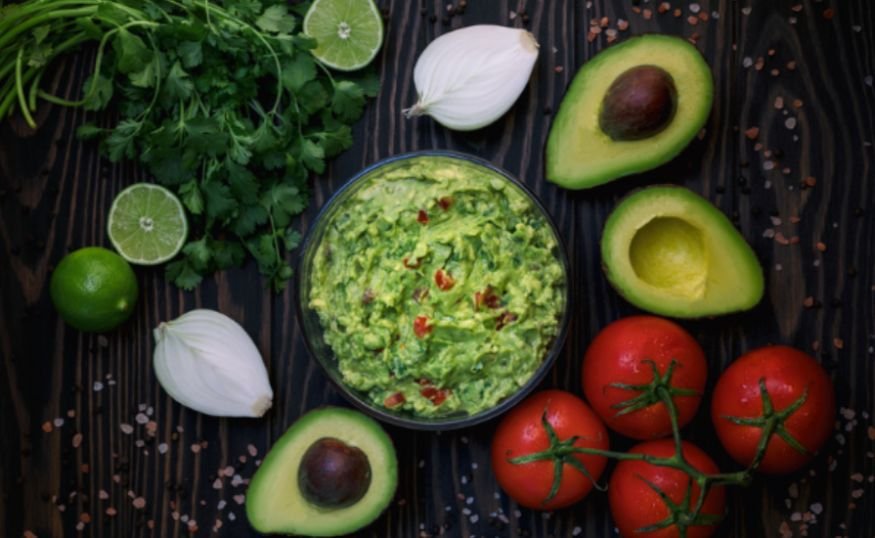
I want guacamole to taste creamy and fresh, especially when tortilla chips are already on the table. But cutting into a firm avocado can derail taco night quickly. Before reaching for aluminum foil or switching on the microwave, I would check whether the fruit needs actual ripening or simply more thorough mashing.
If you’re searching for how to ripen avocados in 10 minutes for guacamole, here’s the honest answer: you cannot truly ripen a hard avocado that quickly. Heat may soften its flesh, but it won’t create the buttery flavor that develops naturally. Fortunately, you still have practical options.
Can You Really Ripen an Avocado in 10 Minutes?
Natural ripening involves changes inside the fruit that gradually develop its texture and flavor. Ethylene, a plant hormone released by avocados and other fruits, helps trigger this process.
An oven, microwave, or hot-water bath changes texture through heating. That difference matters when making guacamole because softer flesh does not automatically taste ripe.
Think of quick heating methods as unpredictable softening attempts. An almost-ready avocado might become easier to mash, while a rock-hard one can remain unpleasantly firm or develop an uneven, cooked texture.
How Can You Tell Whether Your Avocado Will Mash?
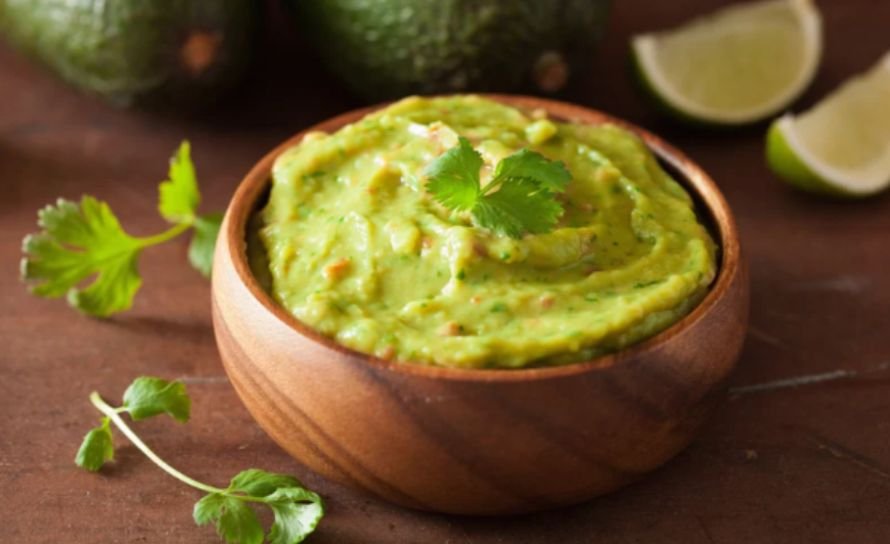
Check firmness before choosing a method. Hold the whole avocado in your palm and squeeze gently with your entire hand. Avoid pressing a thumb into one spot, which can bruise the flesh.
What Does a Guacamole-Ready Avocado Feel Like?
A ripe avocado yields slightly and evenly under gentle pressure. It should feel soft enough to mash without collapsing or having sunken areas.
Hass avocados often darken as they ripen, but skin color alone cannot confirm readiness. Some avocado varieties remain green even when ripe.
What If the Avocado Feels Rock-Hard?
A completely rigid avocado needs more time. Heating cannot reliably turn it into flavorful guacamole within minutes.
If dinner starts soon, buying ripe fruit or prepared guacamole is the dependable solution. Keep the hard avocados whole so they can ripen for another meal.
Does the Foil-and-Oven Avocado Hack Work?
The popular oven method involves wrapping a whole avocado in aluminum foil and warming it at approximately 200°F. Online instructions often promise results in 10 minutes.
However, this method heats the avocado rather than reproducing natural ripening. Results depend heavily on its starting condition, and very firm fruit may take much longer to soften.
Even when the flesh becomes scoopable, it can taste bland and lack creaminess. Oven preheating and cooling also make the advertised timeline misleading.
For fresh guacamole, I would prioritize ripe ingredients over this shortcut. Softness alone cannot deliver the flavor you want.
Can You Microwave an Avocado for Guacamole?
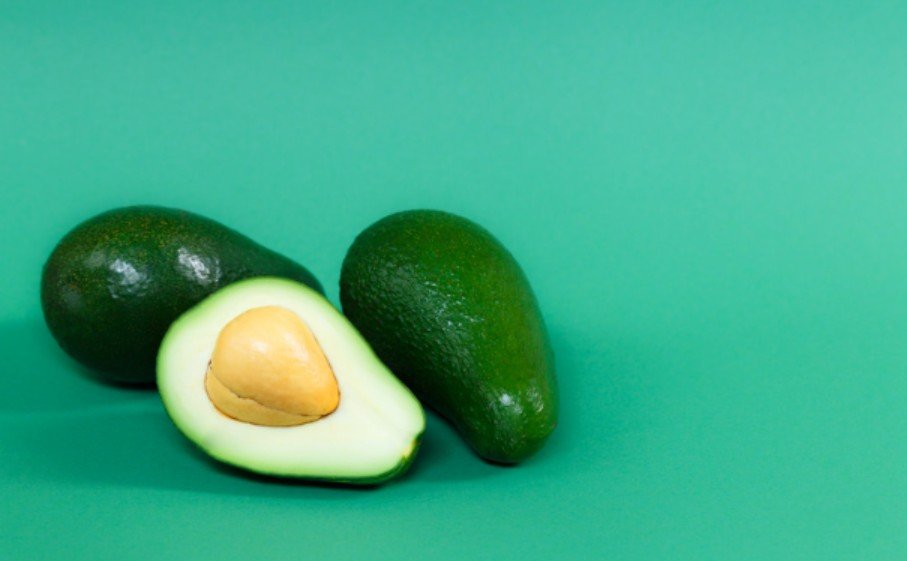
Microwaving may soften some areas, but it can also leave hot spots, rubbery patches, or a cooked taste. It does not develop the flavor of a naturally ripe avocado.
This makes it a poor choice when avocado is the main ingredient. Lime juice, onion, and salt can improve seasoning, but they cannot reverse an unpleasant texture.
Avoid treating the microwave as a guaranteed rescue method. If an avocado already yields gently, try mashing a small portion before deciding it needs any intervention.
Does Boiling Water Ripen Avocados Faster?
Another viral hack involves soaking a foil-wrapped avocado in hot water for several minutes. Some demonstrations show fruit that becomes easier to squeeze or scoop afterward.
That visible change demonstrates softening, not proof of true ripening. The starting firmness also makes comparisons difficult: an avocado already close to ready behaves differently from a completely hard one.
Hot-water treatment may produce uneven results and change the eating quality. There is no reliable promise that it will deliver creamy, flavorful guacamole in 10 minutes.
What Can You Do When You Need Guacamole Right Now?
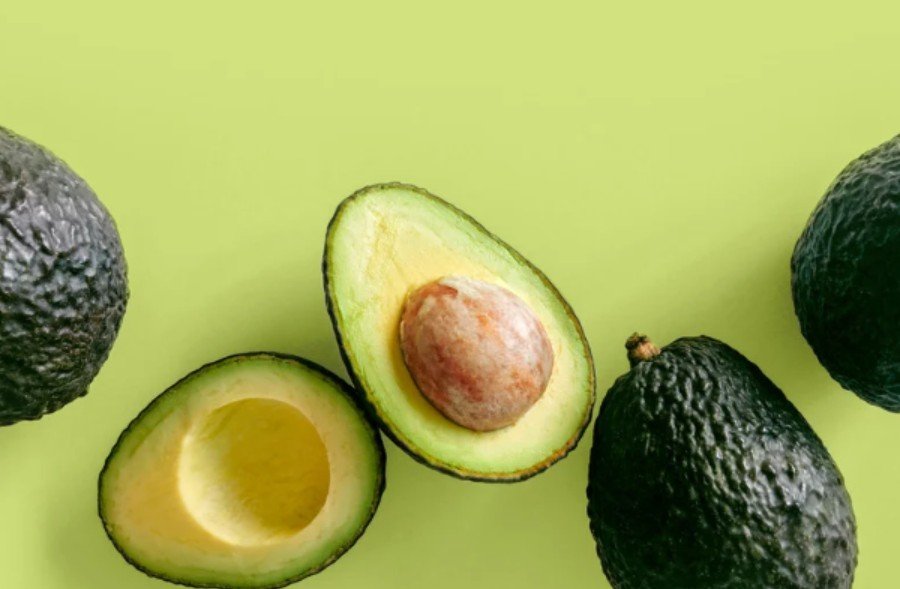
The best approach depends on whether your avocado is slightly firm or genuinely unripe.
To streamline preparation when time is limited, these fast chopping hacks for vegetables can help you prepare onions, cilantro, jalapeños, and other guacamole ingredients more efficiently without compromising the freshness of your final dish.
How Do You Use a Slightly Firm Avocado?
Wash the avocado before cutting, remove the pit carefully, and taste a small piece. If the flesh tastes pleasant and yields under a fork, mash it thoroughly before adding other ingredients.
For two medium avocados, start with one tablespoon of lime juice and a quarter teaspoon of fine salt. Mix, taste, and adjust gradually.
Fold in finely chopped onion, cilantro, and jalapeño afterward. Adding chunky ingredients last makes it easier to assess the avocado’s texture.
Can You Blend Guacamole Instead of Mashing It?
A food processor can help with avocado that tastes ready but remains slightly difficult to mash. Pulse briefly and scrape down the sides.
For those still building confidence in the kitchen, these simple cooking hacks for beginners offer practical ways to simplify everyday food preparation, improve efficiency, and make homemade dishes easier to assemble.
For a creamier avocado dip, you can add a small spoonful of sour cream or plain Greek yogurt. This changes traditional guacamole, but it may improve the consistency of an otherwise usable avocado.
Blending cannot fix rock-hard, bitter, or poor-quality flesh. Avoid adding excessive liquid to force it smooth.
What Is the Fastest Reliable Way to Ripen Avocados?
For readers researching how to ripen avocados in 10 minutes for guacamole, the dependable alternative requires planning beyond tonight’s dinner.
Planning meals ahead and choosing ingredients strategically can also help reduce food waste and control costs, so these practical tips on how to save money on groceries are useful for keeping ripe avocados and other fresh ingredients on hand without unnecessary spending.
Place whole, unripe avocados in a brown paper bag with a ripe banana or apple. Fold the opening and leave the bag at room temperature, away from direct sunlight.
Check daily. Fruit already approaching ripeness may be ready within a day or two, while very hard avocados can require several days. Refrigerate them once ripe to slow further softening.
Frequently Asked Questions
1. Does how to ripen avocados in 10 minutes for guacamole have a reliable shortcut?
No. Heat can alter firmness, but genuine ripening takes longer. Start with ripe fruit when you need dependable results immediately.
2. Does Lime Juice Soften Hard Avocados?
Lime adds acidity and flavor, but it does not ripen hard avocado flesh.
3. Can You Ripen an Avocado After Cutting It?
Results are unreliable. Cover exposed flesh tightly and refrigerate it rather than leaving cut fruit out to ripen.
Final Thoughts
I would spend those 10 minutes checking ripeness and preparing fresh ingredients rather than relying on a heating shortcut. A naturally ripe avocado gives guacamole its creamy texture and buttery flavor, while careful seasoning brings everything together. If the flesh already tastes pleasant and mashes easily, a little lime juice, salt, and finely chopped onion may be all it needs.
For future taco nights, I would buy avocados a few days ahead and check their firmness daily. Keeping unripe fruit in a paper bag with a ripe banana can help move the process along. Once the avocados yield gently, refrigerating them helps preserve that useful window. A little planning makes homemade guacamole easier and saves you from sacrificing good fruit to an unreliable last-minute hack.