
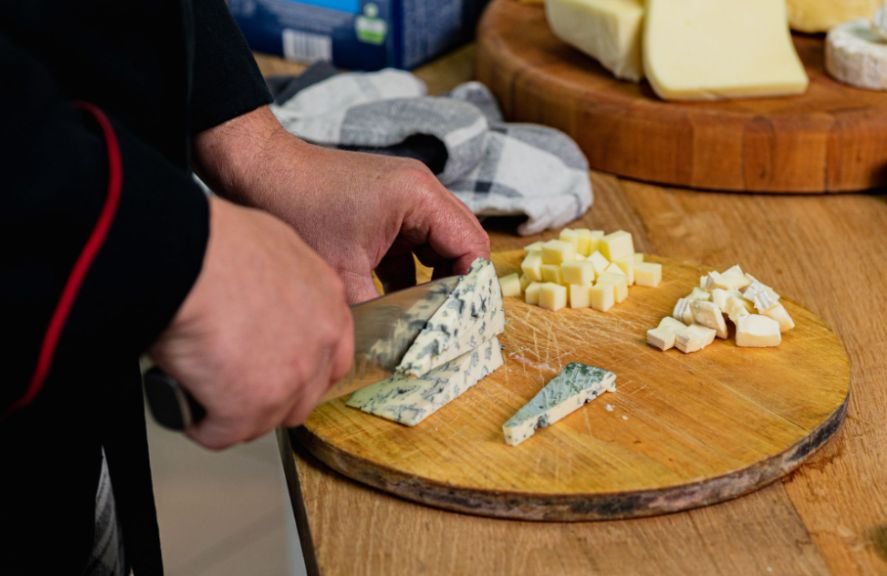
I started paying closer attention to cheese storage when I noticed two blocks bought on the same grocery trip aged very differently in the refrigerator. One stayed fresh and firm, while the other developed moisture, off smells, and mold much sooner. The difference usually came down to how each one was wrapped, handled, and stored after opening.
Making cheese last longer without mold is really about creating the right environment for each type of cheese. Hard cheeses need different treatment from fresh mozzarella, feta, Brie, or shredded cheese, and the wrong combination of moisture, trapped air, and temperature swings can shorten their usable life. With a few smarter storage habits, it is possible to keep cheese fresher, protect its flavor, and waste less of what you buy.
What Is the Best Way to Keep Cheese From Molding?
For hard and semi-hard cheeses such as Cheddar, Gouda, Swiss, Parmesan, and Monterey Jack, I prefer a two-step wrapping method.
First, I wrap the cheese in cheese paper, parchment paper, or wax paper. This protects the surface while allowing some moisture and gases to escape. Tight plastic wrap can trap moisture and compounds such as ammonia against certain cheeses, which may negatively affect flavor and encourage an overly damp storage environment.
Next, I place the wrapped cheese inside a reusable container, silicone bag, or resealable food-storage bag. I avoid squeezing the cheese into a completely airless package. The outer layer protects it from dry refrigerator air and surrounding odors, while the inner paper provides a more breathable surface.
If the paper becomes wet, greasy, or dirty, I replace it with a fresh sheet rather than wrapping the cheese back in damp material.
Why Does Plastic Wrap Make Some Cheese Spoil Faster?
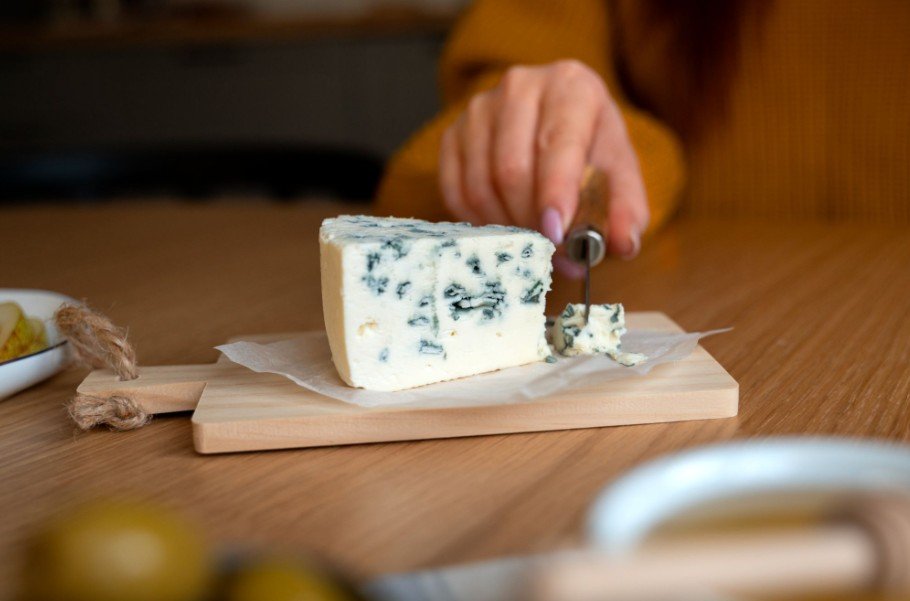
Plastic wrap is useful in the kitchen, but it is not always the best long-term material to place directly against an opened wedge of cheese.
Cheese continues to release moisture and volatile compounds after it has been cut. When tightly sealed against plastic, that moisture can remain trapped at the surface. Expert cheese-storage guidance commonly recommends breathable cheese paper or parchment for many traditional firm and semi-firm cheeses instead.
That does not mean plastic is universally bad. Commercial shredded cheese, individually sliced products, cream cheese, and other packaged cheeses may have different storage instructions. I always follow the manufacturer’s directions when they are more specific.
How Should You Store Hard and Semi-Hard Cheese?
Cheddar, Gouda, Swiss, Colby, Monterey Jack, Parmesan, and similar cheeses usually store well when kept as larger pieces.
I wrap the block in parchment, wax paper, or cheese paper and then add a secondary protective container or loose bag. I also avoid cutting the entire block into cubes or slices in advance because every new cut creates more exposed surface area.
For Parmesan and Pecorino, I prefer keeping a wedge intact and grating only what I need. Hard, lower-moisture cheeses generally tolerate refrigerator storage better than soft fresh varieties.
How Should Mozzarella, Feta, Ricotta, and Burrata Be Stored?
Fresh cheeses need different treatment.
Mozzarella and feta are often sold in liquid or brine, so I keep them in the original container and liquid unless the label directs otherwise. Ricotta, cottage cheese, burrata, cream cheese, and similar high-moisture products should remain tightly covered and refrigerated.
I would not automatically replace commercial brine with homemade salt water every few days because formulations vary. Following the package directions is safer and more reliable.
Fresh cheeses are also more perishable. FDA guidance emphasizes careful refrigeration and prompt consumption of high-moisture fresh cheeses, particularly products such as queso fresco.
Where Should Cheese Be Stored in the Refrigerator?

I never rely on the refrigerator door for long-term cheese storage because temperatures fluctuate every time the door opens.
A deli drawer, cheese drawer, crisper, or stable interior section of the refrigerator is generally a better choice. The exact location matters less than maintaining a safe, consistent temperature.
The FDA recommends keeping refrigerators at 40°F or below and freezers at 0°F. Using an inexpensive refrigerator thermometer is one of the easiest ways to verify that your appliance is actually staying cold enough.
Good airflow around refrigerated foods also matters, so I avoid packing the refrigerator so tightly that cold air cannot circulate.
Can You Freeze Cheese to Stop It From Going Moldy?
Freezing is useful when I know I will not finish a large package soon.
Cheddar, Monterey Jack, Colby, mozzarella, and many other firm cheeses can be frozen, although their texture may become more crumbly after thawing. That makes previously frozen cheese especially useful for pizza, casseroles, sauces, soups, and baked dishes.
For cheese slices, I place parchment between portions before freezing so they separate more easily later.
Shredded cheese can be frozen in a tightly sealed freezer bag after removing as much excess air as practical. Some home cooks toss shredded cheese with a small amount of cornstarch before freezing to reduce clumping, but I consider that an optional kitchen trick rather than a food-safety requirement.
Soft cheeses often suffer greater texture changes after freezing, so I generally avoid freezing delicate varieties when texture matters.
Freezing is also a practical way to save leftover ingredients for future meals. Learn how to freeze tomato paste in tablespoon portions so you can store unused paste in measured amounts and add it easily to soups, sauces, and casseroles.
Freezing can also help preserve other ingredients before they spoil. For example, learn how to freeze fresh herbs in olive oil trays to store leftover herbs in convenient portions for soups, sauces, and other cooked dishes.
What Should You Do If Mold Is Already Growing on Cheese?
This is where cheese type becomes especially important.
USDA (The Department of Agriculture) guidance says that if mold appears on a hard cheese such as Cheddar, you can cut off at least 1 inch around and below the moldy area, taking care not to drag the knife through the mold. After trimming, rewrap the remaining cheese in fresh material.
The same strategy should not be used for every cheese. Soft cheese with unexpected mold should be discarded. Mold can also spread more easily through shredded, sliced, and crumbled cheeses, making them poor candidates for trimming and saving.
Intentional molds in cheeses such as blue cheese, Brie, Camembert, Roquefort, and Gorgonzola are different from unexpected spoilage mold.
How Can You Make Opened Cheese Last Longer?
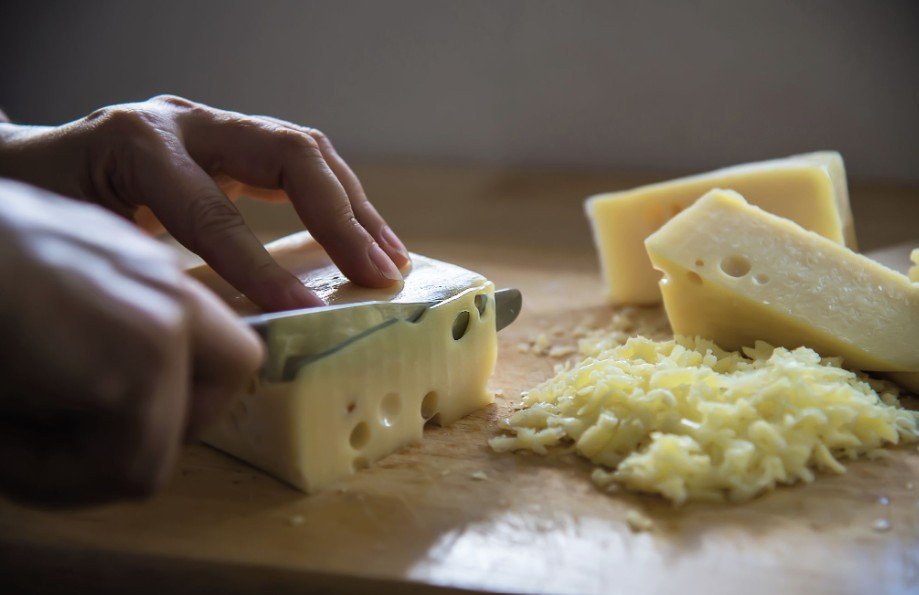
When people ask me how to make cheese last longer without mold, I focus just as much on handling as wrapping.
Planning meals around the ingredients you already have can also help reduce food waste. If you’re preparing baked goods or pancakes, this DIY buttermilk substitute with milk and vinegar offers a practical way to replace store-bought buttermilk using everyday kitchen staples.
I use clean knives and cutting boards, avoid touching the cut surface unnecessarily, and never put cheese back into damp or dirty wrapping. I also return it to the refrigerator promptly rather than leaving it on the counter after making sandwiches or preparing dinner.
FDA guidance recommends refrigerating perishable foods promptly and keeping the refrigerator at 40°F or below.
Which Storage Method Works Best for Each Cheese Type?
Hard cheeses such as Parmesan and Pecorino do well wrapped in breathable paper and stored in a protected refrigerator compartment.
Semi-hard cheeses such as Cheddar, Gouda, Swiss, and Monterey Jack benefit from parchment or cheese paper followed by a loose secondary container.
Fresh cheeses such as mozzarella, feta, burrata, and ricotta should generally remain in their original container or packing liquid and be consumed more quickly.
Shredded and sliced cheeses should stay tightly protected from contamination and excess moisture. If extended storage is necessary, freezing may be more practical than attempting to keep an opened package in the refrigerator for too long.
Frequently Asked Questions
1. Does Cheese Paper Really Help Cheese Last Longer?
Cheese paper is designed to provide a balance between moisture retention and breathability. Parchment paper is a practical household alternative for many firm and semi-firm cheeses.
2. Should Cheese Be Stored in an Airtight Container?
A secondary container can protect cheese from odors and excessive drying, but I prefer breathable paper directly around many blocks and wedges rather than sealing a moist surface tightly against plastic.
3. Can I Store Cheese in Aluminum Foil?
Foil can work temporarily, but parchment, wax paper, or cheese paper generally provides a better first wrapping layer for many firm cheeses.
4. Why Does My Cheese Keep Getting Moldy in the Fridge?
Excess moisture, contaminated utensils, improper wrapping, temperature fluctuations, and keeping opened cheese too long can all contribute.
5. How Do I Make Cheese Last Longer After Opening?
Use clean utensils, choose the correct wrapping for the cheese type, store it at 40°F or below, replace damp wrapping, and freeze appropriate varieties if you cannot use them soon.
Final Thoughts
Once I started matching the storage method to the type of cheese, I found it much easier to reduce waste. A Parmesan wedge needs different treatment from fresh mozzarella, while shredded cheese has different storage challenges from a block of Cheddar.
For most everyday supermarket varieties, breathable wrapping, a protected outer container, stable refrigeration, and clean handling provide the best foundation. Learning how to make cheese last longer without mold can help preserve flavor, reduce grocery waste, and keep good cheese from ending up in the trash before you can enjoy it.