
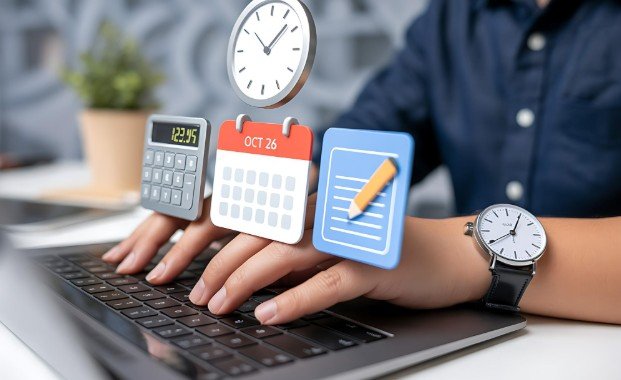
I prefer a bill system that answers three questions: what needs paying, when the money must arrive, and which paycheck will cover it. Learning How to Organize Bill Due Dates and Avoid Late Fees starts with bringing those details together.
You can build this system with paper, a spreadsheet, or your phone calendar. The important part is tracking payments from the first reminder through confirmation, while protecting enough cash for everyday needs.
Build One Complete Bill List
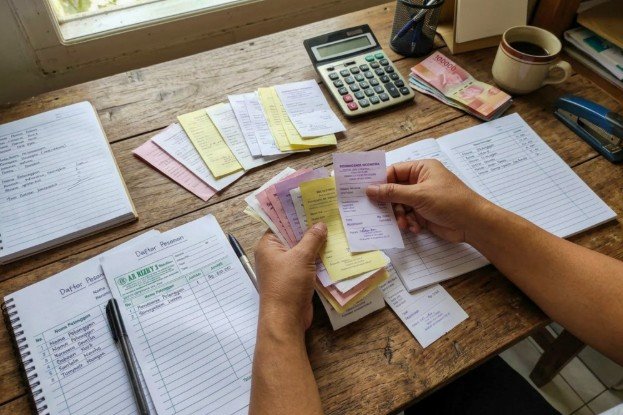
Review recent bank statements, credit card statements, emails, and biller accounts. Record rent or mortgage payments, utilities, insurance, loans, phone service, internet, and subscriptions.
For each bill, note the amount, frequency, due date, payment method, and funding account. Use a realistic estimate for variable charges, then replace it when the actual statement arrives.
Include Payments That Arrive Less Often
Look back through a full year for annual memberships, vehicle registration, property taxes, and insurance renewals. These expenses disappear easily from a monthly checklist.
Divide predictable annual costs into monthly savings targets. A $600 renewal requires setting aside $50 monthly over twelve months. If the deadline is closer, adjust the amount accordingly.
Put Bills and Paydays on One Calendar
Add every due date to a calendar you already check. Then enter the dates your paychecks and other dependable income become available.
Review the weeks between deposits. Several affordable bills can create a shortage when they arrive together.
Separate the Deadline From the Payment Date
The due date is the deadline; the payment date is when you initiate payment. Track both when processing takes time.
Check each provider’s delivery estimates, cutoff times, and weekend or holiday rules. Bank bill pay may send a paper check for some recipients. Choose a payment date that allows the required delivery time rather than assuming every transfer arrives instantly.
Assign Every Bill to a Paycheck
Choose the paycheck that will fund each bill before its payment date. Reserve money for groceries, transportation, medications, and other essentials before deciding what remains available.
Suppose you receive $1,800 twice monthly. Your first check covers $1,200 rent, a $280 car payment, and a $70 phone bill. That leaves $250 before food and transportation. To automate savings when your budget is tight, schedule a small transfer only after accounting for these remaining essentials.
If your lender approves moving the car payment until after your second paycheck, the first period gains $280 of breathing room. Check that the second paycheck can absorb it.
This is the practical purpose of How to Organize Bill Due Dates and Avoid Late Fees. For biweekly pay, use actual deposit dates because they shift relative to monthly deadlines.
Request More Convenient Due Dates
Contact providers whose bills repeatedly arrive during tight weeks. Some allow due-date changes, although availability and restrictions vary.
Try asking: “My paycheck becomes available around the fifteenth. Can I move my payment deadline later in the month? When would the change begin, and would it affect my next payment?”
Keep following the existing schedule until the provider confirms the new deadline. Update your calendar, reminders, and any payment instructions afterward. Avoid moving everything into one crowded week.
Use Autopay With a Cash Check
Autopay can reduce forgotten payments when the funding account has enough available money. Review each bill before deciding what to automate.
Variable utilities and credit card balances require closer attention because the withdrawal can change substantially.
Understand Credit Card Payment Options
Automatic minimum payments can provide a backup against missed payments, provided they process successfully. They generally do not prevent interest on a remaining balance.
Paying the full statement balance by its deadline generally avoids purchase interest when the account has an applicable grace period. Review your account terms.
After making a manual payment, check whether the scheduled automatic withdrawal changes. Do not assume it cancels.
Set Reminders Before and After Payment
Create an advance reminder early enough to inspect the statement, confirm available funds, and arrange payment. Add a follow-up check to verify the transaction completed.
Use clear labels such as “Review electric bill” and “Confirm electric payment.” Enable low-balance and failed-payment alerts where available.
A scheduled payment is not proof of receipt. Keep the confirmation until your account shows payment received. If you replace a card or change banks, update recurring payment details promptly.
Keep a Weekly Review Appointment
Spend five minutes each week checking upcoming obligations and recent transactions. Look for changed amounts, pending withdrawals, missing statements, and failed payments.
Keep unpaid paper bills in one folder and electronic statements in a dedicated email folder. Move completed items into a paid archive.
For shared finances, decide who schedules each payment and who checks completion.
Respond Quickly When Something Goes Wrong
If you miss a deadline, contact the provider promptly. Pay what is required if affordable, or ask about hardship assistance and payment arrangements.
Request a late-fee waiver politely, especially after an isolated mistake, but understand approval is discretionary. Save any agreement.
If money cannot cover everything, consider consequences such as housing loss, utility interruption, and transportation disruption. A calendar can reveal shortages; additional reminders cannot solve insufficient income.
Frequently Asked Questions
1. How do I start learning How to Organize Bill Due Dates and Avoid Late Fees?
List your obligations, add paydays, assign funding, and confirm completed payments weekly.
2. Should I put every bill on autopay?
Only automate payments you can reliably fund and monitor.
3. Can I change every payment deadline?
No. Ask each provider about its available options.
4. Does paying one day late always damage credit?
No. Fees and credit reporting follow different timelines and account rules.
Make Next Month Easier
I would start with the bills due before my next paycheck, then gradually expand the calendar to include monthly payments and annual renewals. A manageable routine is easier to maintain than an elaborate setup that demands constant attention. Taking a few minutes each week to check balances, review upcoming charges, and confirm completed payments can make the entire month feel more predictable.
My goal would be fewer surprises and more confidence in everyday money decisions. I would adjust reminders and payment dates whenever my income or expenses changed, rather than expecting the original schedule to work forever. Even small improvements, such as catching a failed payment early or preparing for an insurance renewal, can help protect money needed for other household priorities.