
I’ll be honest—when I first heard about budgeting with cash envelopes, I thought it sounded outdated. In a world of Apple Pay and credit cards, why would anyone go back to cash?
But once I tried the cash stuffing method, everything changed. I stopped overspending, became more aware of my habits, and finally felt in control of my money.
If you’re trying to save more, cut expenses, or just get your finances in order, this guide will show you exactly how this system works—and how to make it fit modern life in the US.
What Is the Cash Stuffing Method and Why Is It Trending Again?
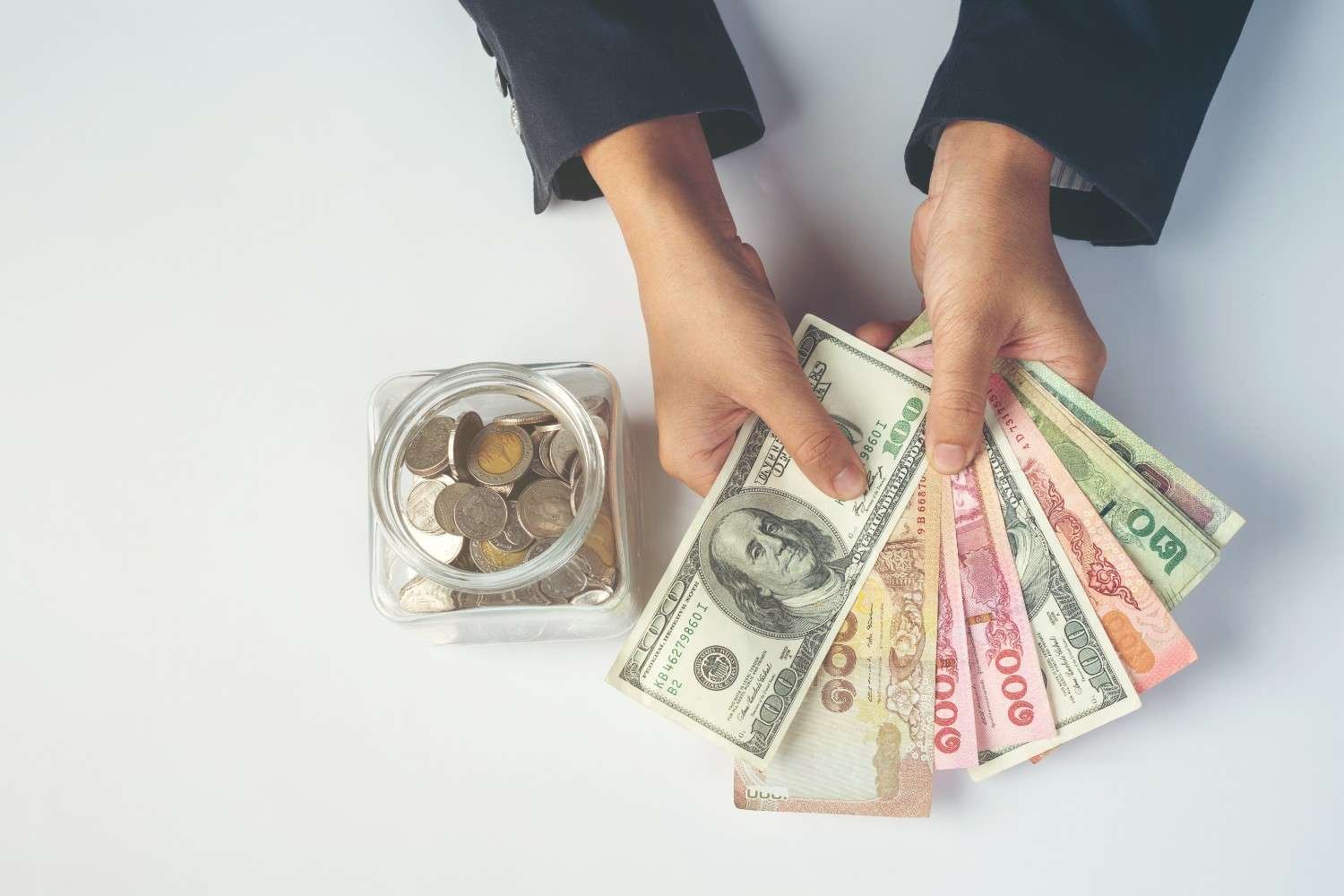
The cash stuffing method (also called the cash envelope system) is a budgeting technique where I withdraw my disposable income in physical cash and divide it into labeled envelopes for different spending categories.
Instead of swiping a card, I use cash for everyday expenses. Once an envelope is empty, I stop spending in that category until the next budget cycle.
This method has become popular again because many people struggle with invisible spending through debit cards and subscriptions. Cash makes every dollar feel real.
How Does the Cash Stuffing Method Work Step by Step?
When I started, I followed a simple process that made budgeting feel manageable instead of overwhelming.
Step 1: Create a Realistic Budget
I calculated my monthly income and subtracted fixed expenses like rent, insurance, and utilities—these stay digital in most US households.
What’s left becomes my variable spending budget.
Step 2: Choose Spending Categories
I focused on areas where I tend to overspend:
- groceries
- dining out
- gas
- entertainment
- shopping
These are the categories where cash control makes the biggest difference.
Step 3: Label and Prepare Envelopes
I used simple envelopes at first, then later upgraded to a budgeting binder.
Each envelope has:
- category name
- spending limit
Step 4: Withdraw and Divide Cash
I withdrew the exact amount from my bank and placed cash into each envelope.
This is the core of the system—and where discipline begins.
Step 5: Spend Only What’s Inside
If my dining envelope runs out, I stop eating out. No exceptions.
This rule alone changed how I spend.
Why Does This Budgeting Method Work So Well?
The biggest shift for me was psychological.
When I pay with cash, I feel the “pain of paying.” That small discomfort makes me think before I spend.
It also:
- prevents overspending naturally
- creates strict spending limits
- builds awareness of daily habits
This is exactly why so many people use this system to Save Money Fast without relying on complicated apps or strict financial rules.
Unlike digital budgeting apps, this system forces real-time accountability.
What Categories Should You Use for Cash Stuffing?
I learned quickly that not every expense needs cash.
The best categories are variable, everyday spending areas:
- groceries
- gas
- dining out
- personal spending
- entertainment
For savings goals, I also created sinking funds, such as:
- vacations
- holidays
- emergency fund
These helped me plan ahead without stress.
What Are the Pros and Cons You Should Know?

Benefits
The biggest advantage is control. I stopped guessing where my money went.
Other benefits include:
- reduced impulse spending
- better budgeting discipline
- clear financial boundaries
Drawbacks
This system isn’t perfect, especially in the US where many payments are digital.
Some downsides include:
- risk of losing cash
- no interest earnings like savings accounts
- inconvenience for online purchases
That’s why many people, including me, use a hybrid approach.
Can You Use a Digital Version Instead of Cash?
Yes—and this is where modern budgeting comes in.
If carrying cash feels inconvenient, you can use digital envelope systems like:
- Goodbudget
- YNAB (You Need A Budget)
These tools mimic the envelope system but keep everything online.
Personally, I use a mix:
- cash for daily spending
- digital for bills and subscriptions
This hybrid system works best for modern US lifestyles.
Sample Beginner Budget (US Example)
Here’s a simple monthly example that helped me get started:
- Groceries: $400
- Gas: $150
- Dining Out: $120
- Entertainment: $100
- Personal Spending: $130
Total cash budget: $900
Starting small made it easier to stay consistent.
Common Mistakes to Avoid When Starting
I made a few mistakes early on that slowed my progress.
I set unrealistic limits, which made me feel restricted. I also created too many categories, which made things confusing.
The biggest mistake? Not reviewing my budget weekly.
Once I simplified everything, the system became much easier to follow.
Does the Cash Stuffing Method Actually Work Long-Term?

From my experience, the cash stuffing method works best if you want structure and control.
It’s especially helpful if you:
- overspend with cards
- want to save more consistently
- prefer hands-on budgeting
Even if you don’t go fully cash-based, using parts of this system can still improve your finances.
Frequently Asked Questions (FAQs)
1. Is this budgeting method safe in the US?
It can be safe if you store cash securely and avoid carrying large amounts daily.
2. How often should I withdraw cash?
I prefer withdrawing once per month and dividing it weekly for better control.
3. Can beginners use this method easily?
Yes. It’s one of the simplest budgeting systems to start with.
4. What happens if I run out of cash early?
I either stop spending or adjust to another category. I avoid adding extra cash unless necessary.
Conclusion
What surprised me the most is how such a simple shift completely changed my financial habits. The cash stuffing method helped me slow down, spend with intention, and finally feel in control of my money instead of wondering where it all went.
You don’t need perfection or complicated tools to make this work. It all comes down to strong budgeting basics—start small, stay consistent, and adjust along the way. Once you see real progress, budgeting stops feeling like a chore and starts feeling like freedom.