
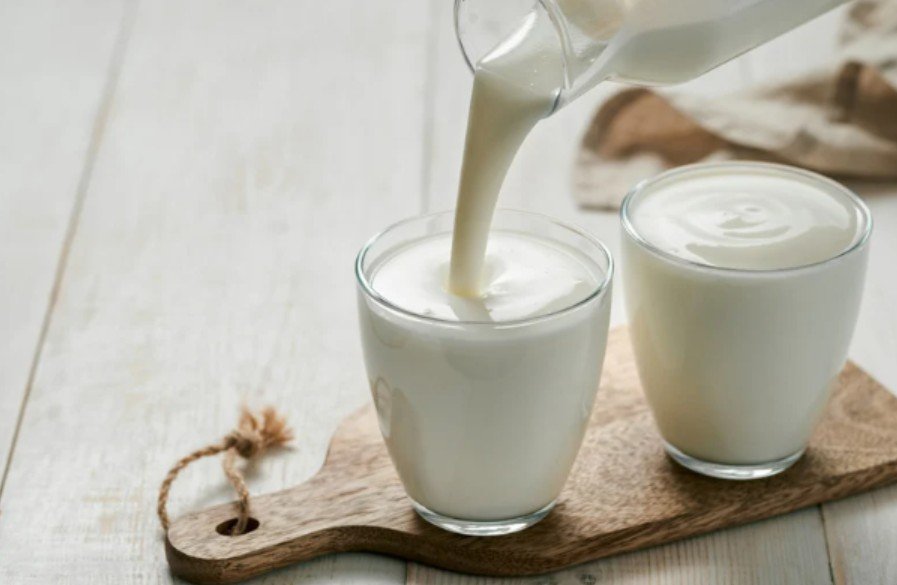
Running out of one ingredient shouldn’t derail a pancake breakfast. When a recipe calls for buttermilk, I look for a practical replacement that uses refrigerator and pantry staples. A diy buttermilk substitute with milk and vinegar offers a simple solution, provided you measure carefully and understand its limits.
The basic method takes about five to ten minutes. Add one tablespoon of distilled white vinegar to a liquid measuring cup, then pour in enough milk to reach the one-cup line. Stir and let it stand. You’ll have acidified milk that can replace buttermilk in many baking recipes, although its consistency and flavor will differ.
What Is the Correct Milk-to-Vinegar Ratio?
For one cup of finished substitute, use one tablespoon of vinegar plus enough milk to make one cup total. That equals approximately fifteen tablespoons of milk.
The distinction matters. Adding vinegar to a full cup of milk produces more liquid than intended. A small difference might be forgiving in pancakes, but accurate measurements give you more control in cakes and other baked goods.
Use a liquid measuring cup on a level surface. Check the measurement at eye level rather than holding the cup in your hand.
How Do You Make Buttermilk Substitutes Step by Step?
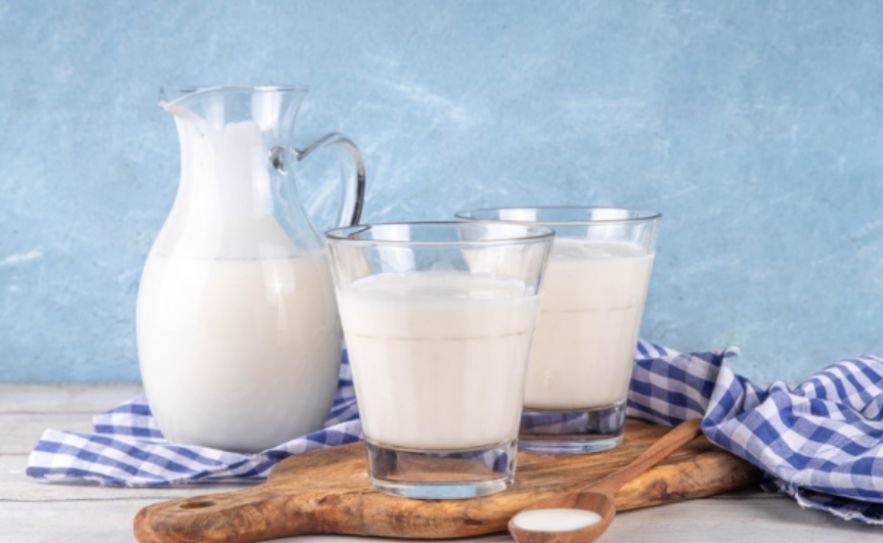
Start With Fresh Milk and White Vinegar
Choose fresh, pasteurized milk and ordinary food-grade distilled white vinegar. Whole milk is a practical starting point because it provides more richness than skim milk. Two-percent milk also works when that’s what you have available.
Use cooking vinegar, never cleaning vinegar. Avoid strongly flavored varieties, such as balsamic vinegar, which can change the color and taste of your batter.
Measure the Vinegar Before Adding Milk
Pour one tablespoon of vinegar into your measuring cup. Add milk slowly until the combined liquid reaches the one-cup mark.
Stir gently with a spoon to distribute the acid. You don’t need a blender, whisk attachment, or special equipment.
Let It Stand Briefly, Then Stir Again
Leave the mixture for five to ten minutes while you prepare your other ingredients. You may notice tiny curds, light separation, or a slightly thicker appearance.
Stir again before adding it to your recipe. Include the small curdled pieces; straining them out changes the mixture unnecessarily.
There’s no need to heat the milk. Follow your baking recipe’s instructions if it specifies cold or room-temperature ingredients.
How Do You Make Smaller Amounts?
Making only what you need reduces waste and keeps the measurements straightforward.
For one-half cup, start with one and one-half teaspoons of vinegar, then add milk to the half-cup line.
For one-quarter cup, use three-quarters teaspoon of vinegar and enough milk to reach one-quarter cup.
For three-quarters cup, use two and one-quarter teaspoons of vinegar, then fill with milk to the three-quarter-cup mark.
For two cups, double the standard recipe: two tablespoons of vinegar plus enough milk to make two cups total. In every case, measure the finished volume rather than adding the vinegar after measuring the milk.
Measuring only what you need is also useful for savory recipes. Learn how to freeze tomato paste in tablespoon portions so leftover paste is ready in convenient amounts without wasting an opened can.
Why Does Vinegar Help Replace Buttermilk?
Cultured buttermilk contains acid, which contributes tang and reacts with baking soda to release carbon dioxide. Those bubbles help baked goods rise.
Vinegar supplies acidity to ordinary milk. However, a diy buttermilk substitute with milk and vinegar doesn’t recreate the fermentation, body, or complex flavor of cultured buttermilk.
That difference explains why a substitution can work reasonably well in one recipe and noticeably change another. Baking depends on the balance of liquid, fat, acidity, and structure—not simply whether an ingredient tastes sour.
Keep the baking soda and baking powder amounts specified in your recipe. Don’t add extra leavener to compensate for using a substitute.
Which Recipes Work Best With This Substitute?
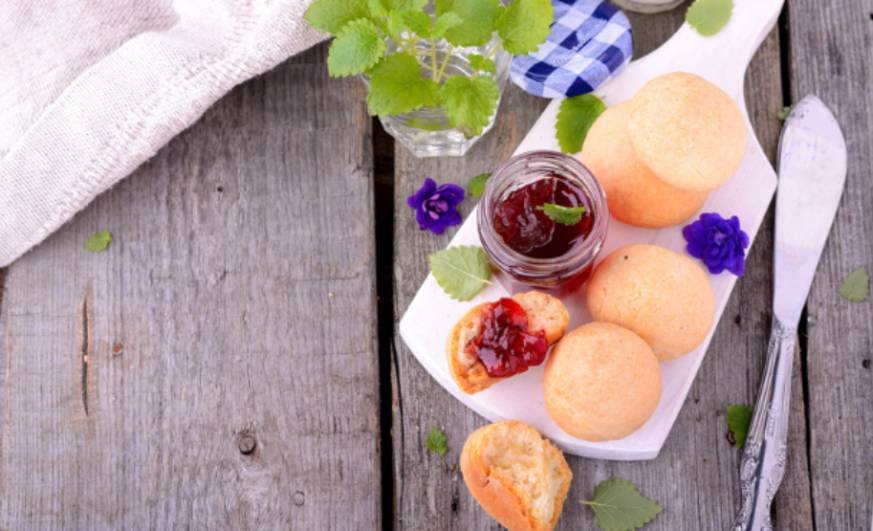
Pancakes and many everyday cake or muffin recipes can accommodate acidified milk, particularly when the recipe author explicitly allows it. Expect possible differences in thickness, tenderness, browning, and flavor.
If your baking plans also leave you with extra bread, try these genius ways to use stale bread before it molds for practical ideas that help reduce food waste and make the most of everyday ingredients.
Use greater caution with biscuits, scones, and by preparing soda bread. These recipes may depend heavily on cultured buttermilk’s thick consistency. Thinner liquid can make dough wetter and encourage spreading.
For an important celebration cake or a recipe you haven’t made before, the original ingredient offers more predictable results.
When thickness and cultured flavor matter, plain kefir may provide a closer replacement. Plain yogurt thinned with milk is another option, though it can also change the finished texture.
Why Isn’t My Milk Thickening?
A few small flecks or slight separation can be normal. The mixture doesn’t need to resemble thick yogurt before you use it.
Different milks show different amounts of visible curdling. Don’t keep adding vinegar just because the mixture looks thin; extra acid can affect flavor and baking performance.
Check that you measured correctly, stirred thoroughly, and allowed the brief resting period. Remember that acidified milk generally remains thinner than refrigerated cultured buttermilk.
Frequently Asked Questions
1. Can I Make a diy buttermilk substitute with milk and vinegar Using 2% Milk?
Yes. Use the same measurements with 2% milk. It contains less fat than whole milk, so the finished recipe may have slightly less richness.
2. Can I Use Apple Cider Vinegar Instead?
Yes, ordinary food-grade apple cider vinegar can work. Distilled white vinegar remains a straightforward choice because its flavor and color are relatively neutral.
3. Can I Use Dairy-Free Milk?
Unsweetened, unflavored plant milk can provide an acidified alternative. Results vary by product and recipe, so follow a tested dairy-free recipe when possible rather than assuming every plant milk performs identically.
4. Can I Prepare It Ahead of Time?
Making it immediately before baking is easiest. Refrigerate any leftovers promptly in a covered container and use them soon. Adding vinegar doesn’t extend the original milk’s freshness or make spoiled milk safe.
Keep This Simple Baking Fix Handy
I like a kitchen shortcut that saves an unnecessary grocery trip while keeping expectations realistic. Careful measuring makes this one useful: vinegar first, milk to the correct line, then a brief rest and stir.
Keeping useful ingredients ready can make everyday cooking easier, too. Learn how to freeze fresh herbs in olive oil trays to preserve leftover herbs in convenient portions for soups, sauces, and other savory recipes.
For everyday baking, it’s a convenient backup. When a recipe depends on thick cultured buttermilk for its signature texture, I’d choose the original ingredient for the most reliable result.