
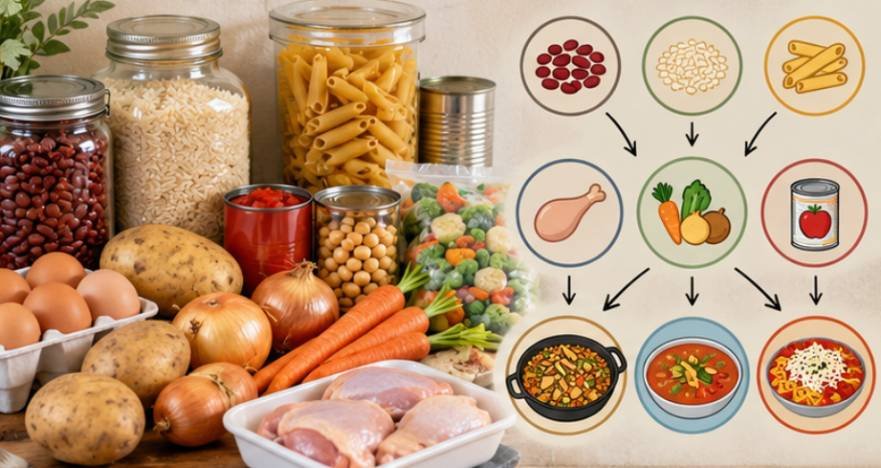
A cheaper dinner does not have to mean a smaller dinner. Some of the most useful foods for stretching a grocery budget—beans, lentils, rice, potatoes, eggs, pasta, and frozen vegetables—also happen to be filling, flexible ingredients that can anchor dozens of meals.
That is the real advantage of frugal family meals on a budget. Instead of hunting for unusually cheap recipes every week, families can build meals around a small collection of affordable ingredients and use them in different ways.
The trick is not simply buying the cheapest food. It is getting more satisfying servings from every grocery dollar while wasting as little as possible.
The Best Budget Meals Follow a Simple Formula
A practical low-cost family dinner usually contains four parts:
Affordable base + protein + produce + flavor
The base might be rice, pasta, potatoes, tortillas, oats, or bread. Protein could come from beans, lentils, eggs, chicken thighs, canned tuna, ground turkey, or a smaller amount of ground beef.
Then add vegetables and something flavorful: salsa, tomato sauce, cheese, garlic, herbs, taco seasoning, curry powder, or another family favorite. This approach works because expensive protein does not have to dominate the plate.
The USDA’s MyPlate protein guidance recognizes eggs, beans, peas, lentils, nuts, seeds, soy foods, meat, poultry, and seafood as protein foods. That gives budget-conscious households considerably more flexibility than planning every dinner around a large piece of meat.
7 Frugal Family Meals Worth Putting on Rotation
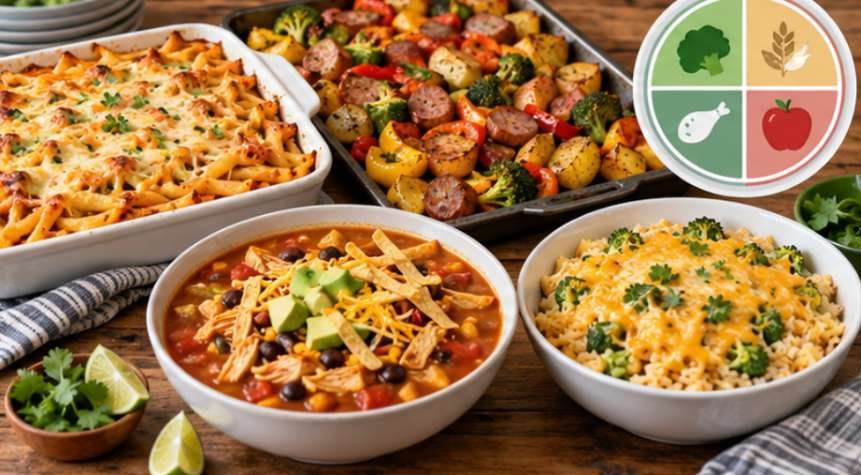
These are templates rather than rigid recipes. Prices vary significantly by location, store, season, package size, and sales, so build them around what is cheapest where you shop.
1. Beans, Rice, Peppers, and Onions
Start with cooked rice and black, pinto, or kidney beans. Sauté an onion with whatever inexpensive peppers are available, then season everything with cumin, chili powder, garlic, and salt.
Add salsa, shredded cheese, corn, or a fried egg when the budget allows.
Beans pull double duty nutritionally because USDA classifies beans, peas, and lentils as foods that can contribute to both protein and vegetable intake.
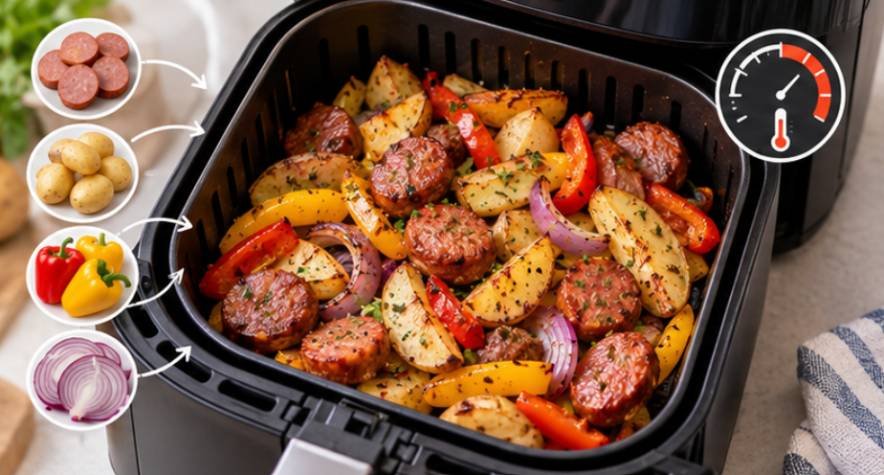
2. Sheet-Pan Sausage and Potatoes
Cut potatoes, onions, and smoked sausage into bite-sized pieces, toss them with oil and seasonings, and roast until browned.
The money-saving move is using sausage as a flavor ingredient rather than the bulk of the dinner. More potatoes, cabbage, carrots, or onions can increase the number of servings without requiring another package of meat.
3. Baked Pasta With Flexible Add-Ins
Pasta, tomato sauce, mozzarella, and a small amount of ricotta or cottage cheese create a filling casserole that can feed a crowd.
Use ground meat if it is on sale, but do not assume it is necessary. Lentils, chopped spinach, mushrooms, zucchini, or leftover vegetables also work.
For even cheaper combinations, keep a running list of pantry staple dinner ideas you can make before buying additional groceries.
4. Broccoli-Cheddar Rice Skillet
Cook rice with broth, stir in frozen broccoli, and finish it with shredded cheddar.
Frozen produce deserves more attention in budget cooking. USDA notes that fresh, frozen, canned, and dried vegetables can all count toward vegetable intake, while its budget guidance recommends mixing fresh, frozen, and shelf-stable foods to reduce spoilage.
5. Pantry Chicken Tortilla Soup
Combine canned or leftover chicken with beans, corn, diced tomatoes, broth, and Mexican-style seasonings.
You can decrease the chicken and increase the beans without making the soup feel skimpy. Serve it with tortilla chips, rice, or cornbread if hungry teenagers require something more substantial.
6. Crispy Chicken Thighs With Roasted Vegetables
Chicken breasts are convenient, but the cheapest chicken cut on a particular week may be thighs, drumsticks, leg quarters, or a whole bird.
Compare the price per pound and edible yield rather than shopping by habit.
Roast the chicken beside potatoes, cabbage, carrots, or another economical vegetable for a dinner that requires very little active cooking.
7. Breakfast-for-Dinner
Eggs, pancakes, oatmeal, potatoes, toast, and fruit can make an inexpensive dinner while giving families a break from meat-centered meals.
Exploring these budget breakfast recipes can also help you find affordable options that work for both busy mornings and simple family dinners.
Utah State University Extension specifically recommends keeping inexpensive family favorites in regular rotation and suggests whole-grain pancakes paired with eggs and fruit as one economical meal option.
Use the $2-Per-Serving Test
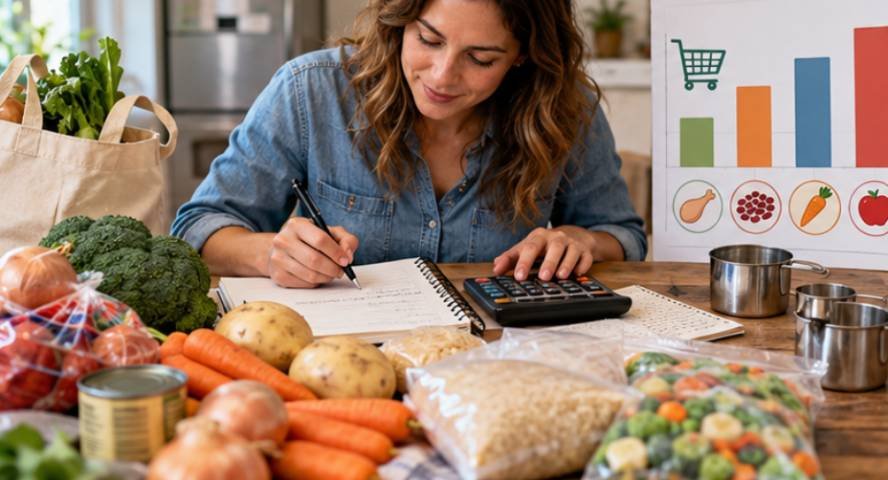
Rather than deciding whether a meal “sounds cheap,” calculate it. Add the amount actually used from every ingredient, then divide by the number of realistic servings.
For example:
$3.00 chicken + $1.50 rice + $1.50 vegetables + $1.00 sauce and seasonings = $7.
If dinner feeds four people, that is approximately $1.75 per serving.
This calculation can expose misleading bargains. A $2 vegetable that produces six usable servings may be a better value than a $1 package producing only two.
USDA’s Food Buying Guide similarly emphasizes comparing food based on usable servings rather than package price alone.
Shop for Meals, Not Random Bargains
Coupons and sales can help, but buying something simply because it is discounted is not automatically frugal.
Before shopping, check the refrigerator, freezer, and pantry. USDA’s Healthy Eating on a Budget resources recommend planning meals before shopping, while its meal-planning guidance specifically advises checking food already at home and deliberately planning for leftovers.
Then apply three questions to every planned dinner:
What ingredient costs the most?
Can part of the meat be replaced by beans, lentils, vegetables, rice, or potatoes?
What needs to be eaten first?
Build early-week meals around lettuce, herbs, berries, fresh meat, or other perishable foods.
What appears in more than one meal?
If Monday’s chicken also becomes Wednesday’s soup, fewer ingredients are left forgotten at the back of the refrigerator.
The Academy of Nutrition and Dietetics also recommends shopping healthy on a budget using meatless meals and replacing some meat in dishes with beans, mushrooms, or vegetables to control grocery costs.
Make One Cooking Session Do More Work
Food can be cheap and still fail as a budget strategy if dinner requires an hour of work every evening.
Cook components that can change identities.
A pot of rice might accompany chicken on Monday and become a bean-and-rice bowl on Tuesday. Roasted vegetables can become a frittata filling. Shredded chicken can move from tacos into soup.
Using one-pot cooking hacks can also reduce cleanup and make home cooking more realistic on hectic evenings.
Do not, however, stretch leftovers indefinitely. FoodSafety.gov advises refrigerating leftovers within two hours and eating or freezing refrigerated leftovers within three to four days.
Where Frugal Cooking Advice Can Go Wrong
Buying in bulk is not automatically cheaper if food spoils before your family eats it.
Dry beans may have a lower unit cost than canned beans, but canned beans can make sense for a parent who has 15 minutes to get dinner ready. Likewise, shredding block cheese may offer advantages, but convenience foods occasionally prevent a far more expensive restaurant order.
Dietary restrictions matter, too. Families managing allergies, diabetes, kidney disease, celiac disease, swallowing difficulties, or other medical needs may need different ingredients and should prioritize appropriate medical nutrition advice over generic budget rules. Frugality works best when it survives real life.
Frequently Asked Questions
1. What are the cheapest foods for family meals?
Rice, beans, lentils, pasta, potatoes, oats, eggs, tortillas, seasonal produce, and frozen vegetables are versatile starting points. Compare local prices because the cheapest protein and produce options vary.
2. How can I feed a family cheaply without eating pasta every night?
Rotate affordable bases such as rice, potatoes, tortillas, beans, oats, bread, and whole grains. Change seasonings and toppings so similar ingredients become soups, bowls, tacos, casseroles, or skillet meals.
3. Are frozen vegetables good for budget meals?
Yes. Frozen vegetables can reduce waste because you use only what you need. USDA recognizes frozen vegetables alongside fresh, canned, and other forms as valid vegetable choices.
4. How can I lower the cost of meat-based dinners?
Use smaller meat portions and add beans, lentils, vegetables, rice, potatoes, or whole grains. You can also plan meatless dinners several times a week.
Spend Less by Making Ingredients Work Harder
The best frugal dinner is not necessarily the recipe with the lowest advertised price. It is the meal your family will actually eat, made from ingredients you can reuse before they spoil.
Start small. Pick five dependable dinners, calculate their approximate cost per serving, and identify ingredients they can share. Keep rice, pasta, beans, eggs, frozen vegetables, potatoes, and a few strong seasonings available for nights when the original plan collapses.
That is what makes frugal family meals on a budget sustainable: not deprivation, but getting more meals, more flexibility, and less waste from the groceries you already pay for.