
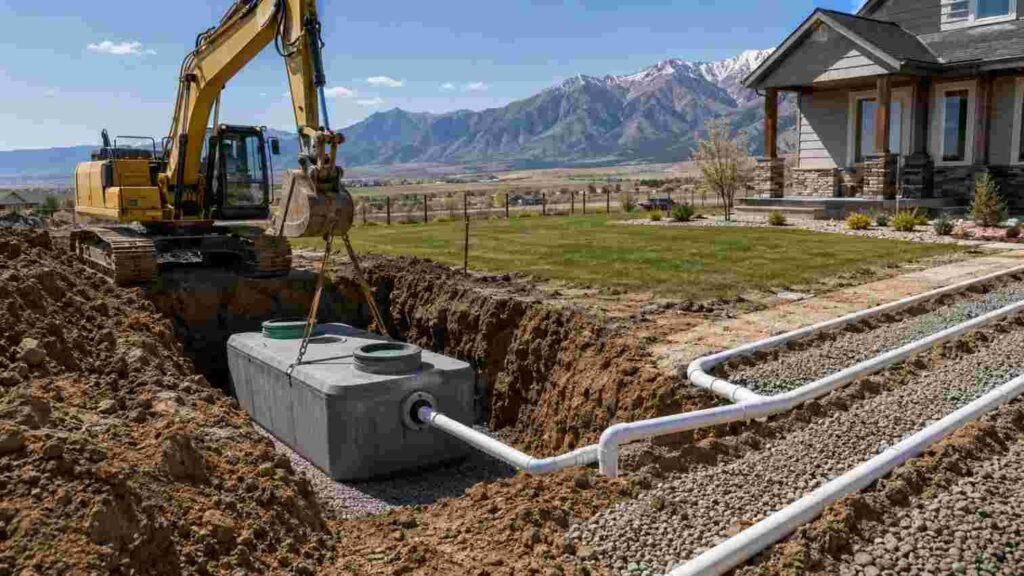
A septic project in Utah is rarely just a matter of choosing a tank and moving forward. The real work happens before construction begins, when the site is evaluated, the soil is tested, and the design is matched to county-specific requirements. That is why a successful septic system installation in Utah depends less on guesswork and more on disciplined engineering.
For property owners, the challenge is simple to describe but easy to underestimate: every parcel has different constraints. Slopes, setbacks, groundwater, seasonal moisture, lot size, access, and wastewater flow all affect what can be built. Anderson Psomas helps bring structure to that complexity by turning site conditions into a design that can actually be approved and built.
Why Septic Planning Starts Long Before Excavation
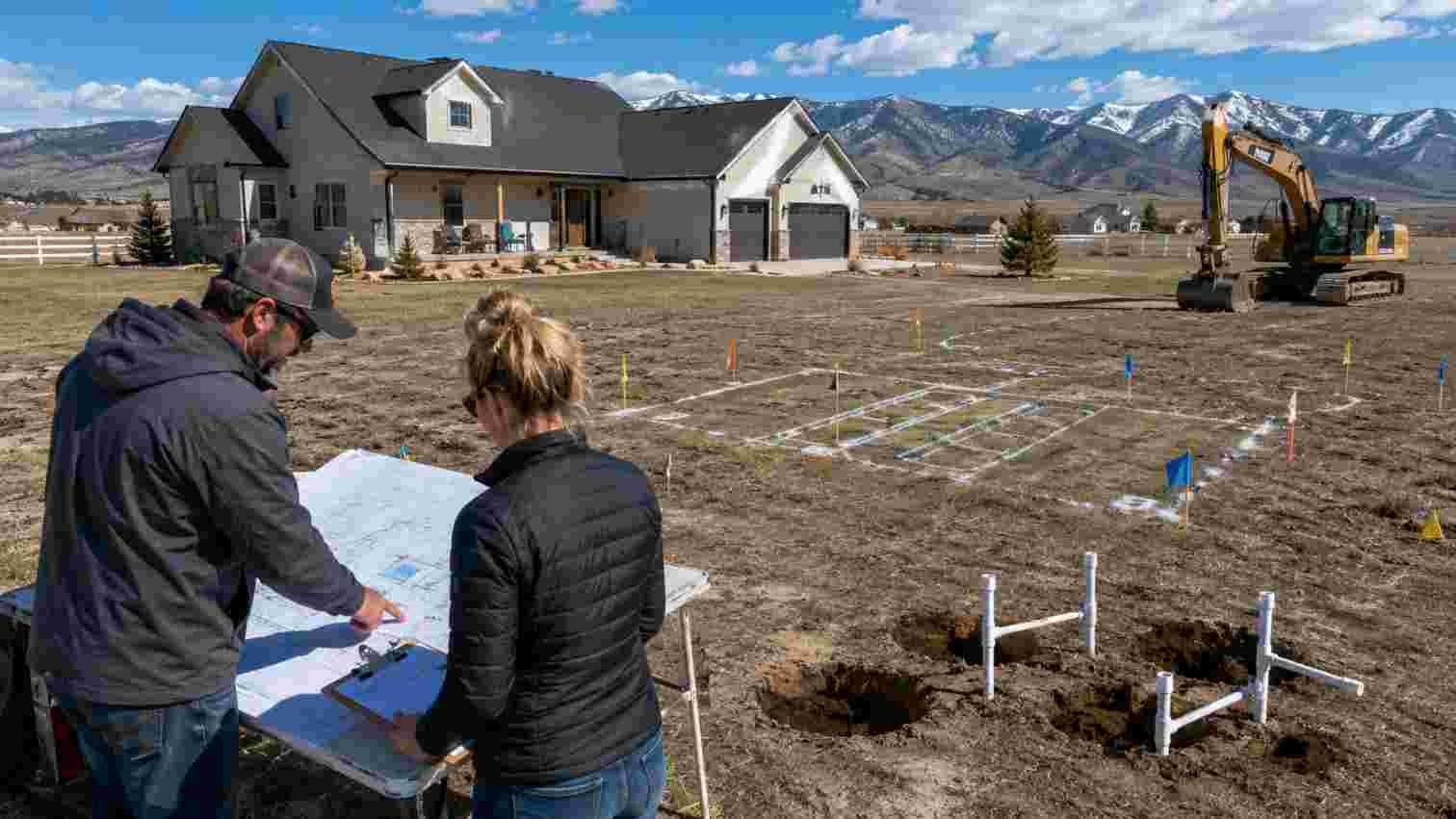
Many people think of septic work as a field operation. In reality, the most important decisions happen on paper and through testing. Utah does not allow a septic system to be installed or designed without a permit from the local health department, so the planning phase is not optional. It is the gate that determines whether the project can move forward at all.
That is also why the earliest questions are not about equipment brands or trench layouts. They are about whether the site can support the system type the property needs. Anderson Psomas focuses on that front-end work because it reduces the risk of redesign, delay, or rejection later in the process.
A thorough septic plan answers four questions quickly:
- What does the site physically allow?
- What does the soil absorb safely?
- What does the county require?
- What system type best fits the property’s wastewater flow and constraints?
When those answers line up, the rest of the project becomes much more predictable. When they do not, the design has to adapt.
Site Conditions Can Make or Break the Design
The site itself often sets the boundaries of what is possible. A large lot with good access and open space may support a straightforward conventional system. A tighter or more constrained parcel may require a more customized approach. Anderson Psomas evaluates those constraints early so the design reflects reality rather than assumptions.
Lot Shape, Access, and Setbacks
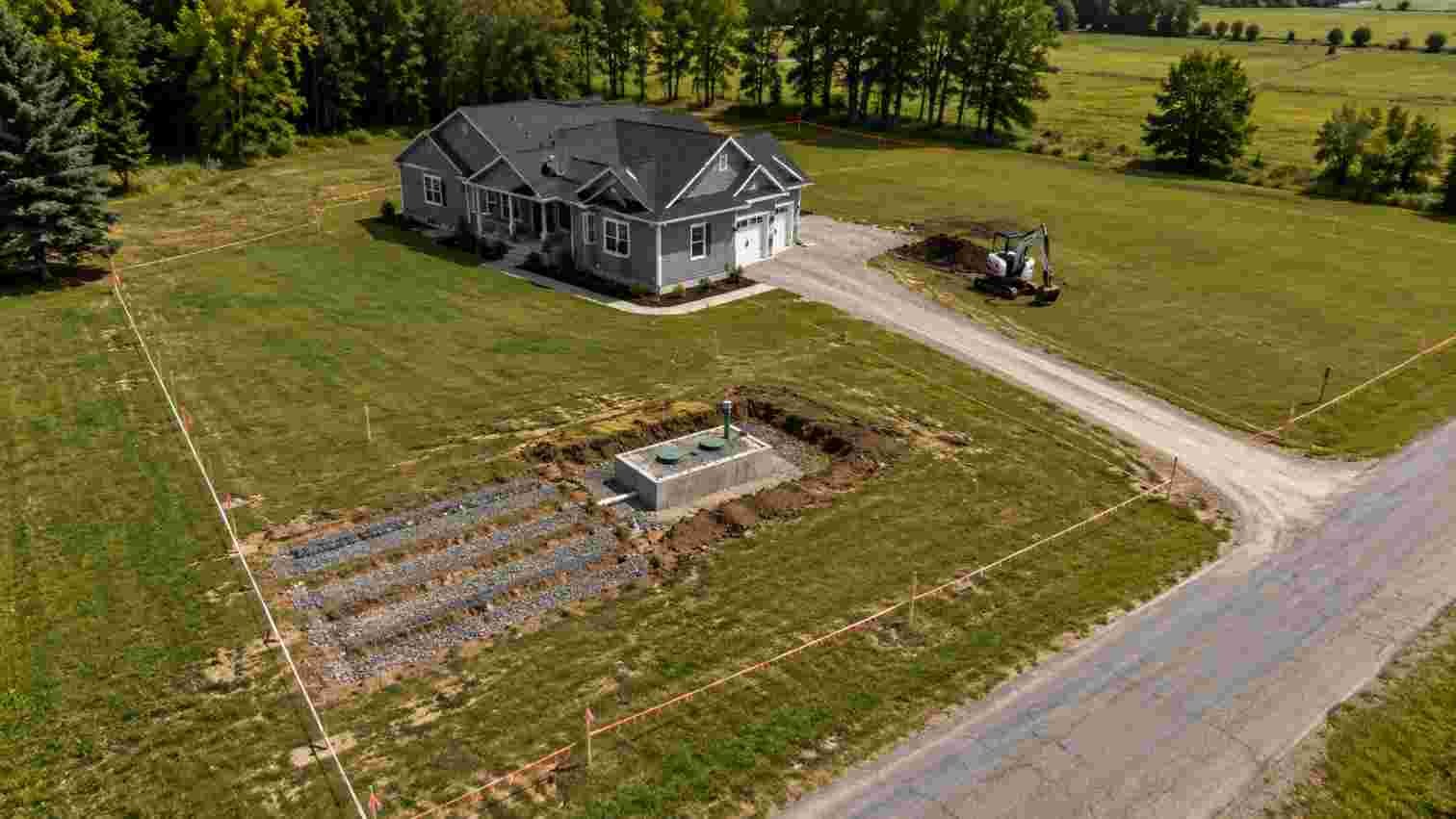
A usable septic area needs more than just square footage. The layout has to respect setbacks from wells, property lines, buildings, slopes, and other site features. On irregular parcels, a few feet can determine whether a conventional drainfield is feasible or whether the design needs to be reworked.
Access matters too. Even a system that is technically workable can become difficult if the layout leaves little room for equipment, future maintenance, or required components. That is one reason site planning should happen before construction schedules become fixed.
Elevation, Drainage, and Water Table Pressure
Topography influences how wastewater can move through the system and how safely it can disperse. Low-lying areas, drainage patterns, and seasonal saturation can all affect whether effluent will infiltrate properly. A high water table or persistently wet area can narrow the available design options and may require an alternative system approach.
This is where Anderson Psomas adds real value. Instead of forcing a standard layout onto a difficult parcel, the design is built around the site’s actual behavior across seasons, not just how it looks on a dry day.
Soil Is the Performance Layer Most People Underestimate
Soil testing is not a technical formality. It is the foundation of the entire design. Utah’s permitting process depends heavily on whether the soil can treat and absorb effluent at a rate that protects groundwater and public health. A beautiful parcel can still fail if the soil cannot support the intended system.
Soil evaluation helps determine several critical factors:
- Percolation and infiltration potential
- Limiting layers such as rock, clay, or restrictive horizons
- Seasonal groundwater influence
- Depth available for treatment and dispersal
- Whether a conventional drainfield can work or a more specialized design is needed
A property with favorable soils often supports a conventional anaerobic system, which remains the most common and cost-effective choice. But when soils are shallow, dense, wet, or inconsistent, the design may need to change. In those cases, Anderson Psomas can coordinate the analysis and translate the results into an engineered solution that fits the site instead of fighting it.
A poor soil result does not automatically mean a project is dead. It means the design needs to be smarter.
The Right System Type Depends on More Than Budget
One of the most common mistakes in septic planning is starting with price alone. Cost matters, of course, but the cheapest system on paper is not always the one that will be approved or perform well over time. The system must match the property’s site constraints, expected flow, and long-term maintenance realities.
A standard residential septic tank in Utah often ranges from 500 to 1,500 gallons, depending on wastewater flow. That range sounds simple, but the right size depends on how the property is used, not just how many bedrooms appear on a plan. A home with higher occupancy or different fixtures can have very different demands than a smaller one.
Conventional anaerobic systems are often the best fit when the lot, soil, and separation distances all cooperate. Aerobic systems, by contrast, may be better suited for tighter spaces, higher water tables, or more challenging site conditions because they introduce oxygen to speed treatment. The point is not that one is superior in every case. The point is that the design should be selected based on evidence.
Anderson Psomas approaches this decision the way an engineer should: by weighing site constraints, regulatory requirements, and wastewater flow together instead of treating each in isolation.
Permitting Works Best When Engineering and Compliance Move Together
In Utah, permitting is not a final administrative step after the design is finished. It is part of the design strategy itself. County health departments can have different expectations, forms, and review standards, which means a one-size-fits-all approach often creates friction.
That is one reason clients turn to Anderson Psomas for septic system design and permitting support. Their process is built to reduce avoidable back-and-forth, especially on projects with complicated soils or limited site options. When engineering and permitting move together, the likelihood of redesign drops sharply.
The practical advantage is obvious: fewer revisions, fewer missed details, and a better chance of getting the project through review without unnecessary delay. For property owners, that can mean moving from uncertainty to a buildable plan with much less stress.
What to do Differently on Difficult Utah Parcels
The best septic outcomes are usually not the result of optimism. They come from disciplined decision-making early in the project.
That same practical mindset can guide smaller property improvements, including useful DIY projects made with plastic bottles that reduce waste without interfering with drainage areas, access routes, or future septic maintenance.
Anderson Psomas stands out because it treats septic planning as an engineering problem, not a paperwork problem. That distinction matters on difficult parcels, where the margin for error is thin, and the cost of a wrong assumption can be high.
A practical planning sequence usually looks like this:
- Confirm the property’s intended use and wastewater demand.
- Evaluate site geometry, setbacks, drainage, and access.
- Coordinate soil analysis and interpret the results.
- Match the system type to the actual site conditions.
- Prepare the design and permitting package for county review.
That sequence is especially important when a parcel has poor soil, limited space, or a high water table. In those situations, a conventional system may still work, but only if the design is properly adapted. If it cannot work, the alternative needs to be chosen for the right reasons, not as a last-minute guess.
The Long-Term Value of Getting the Design Right the First Time
A septic system is not just a construction item. It is a long-term infrastructure decision. A properly designed and maintained system can have an average life expectancy of 15 to 20 years, but that number depends heavily on the quality of the original design, the fit to the site, and ongoing maintenance.
That is why the planning phase deserves real attention. A system that barely clears approval can become a recurring problem later. A system that is engineered properly from the start is more likely to function reliably, protect the property, and avoid expensive surprises.
The same proactive approach applies to other essential home systems, especially when homeowners must decide which HVAC repairs should be prioritized when comfort cannot wait. Addressing urgent problems early can prevent further damage, reduce disruption, and protect long-term system performance.
For Utah property owners, the smartest approach is to treat septic planning as a design challenge with regulatory consequences, not the other way around. That is the kind of project Anderson Psomas is built to handle. By aligning site conditions, soil behavior, and county requirements early, they help property owners move forward with more confidence and fewer false starts.
In a state where approval depends on details, the best outcome is not just getting a permit. It is getting a design that makes sense now and still performs well later.