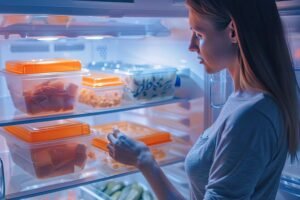

I used to believe eating healthy meant spending more money. Every grocery trip felt expensive, and I often gave up and ordered takeout instead. But once I started focusing on low cost healthy meals, everything changed.
I learned how to combine simple, affordable ingredients with smart planning—and now I eat better while spending less. In this blog, I’m sharing what actually works for me, backed by real strategies, nutrition insights, and budget-friendly meal ideas you can start using today.
Key Takeaways
Low cost healthy meals are simple, practical, and sustainable when you focus on basic ingredients like grains, legumes, and vegetables. Smart shopping, meal planning, and batch cooking make a huge difference. You don’t need expensive foods to eat well—you just need a system that works consistently.
What Are the Best Low Cost Healthy Meals for Everyday Eating?
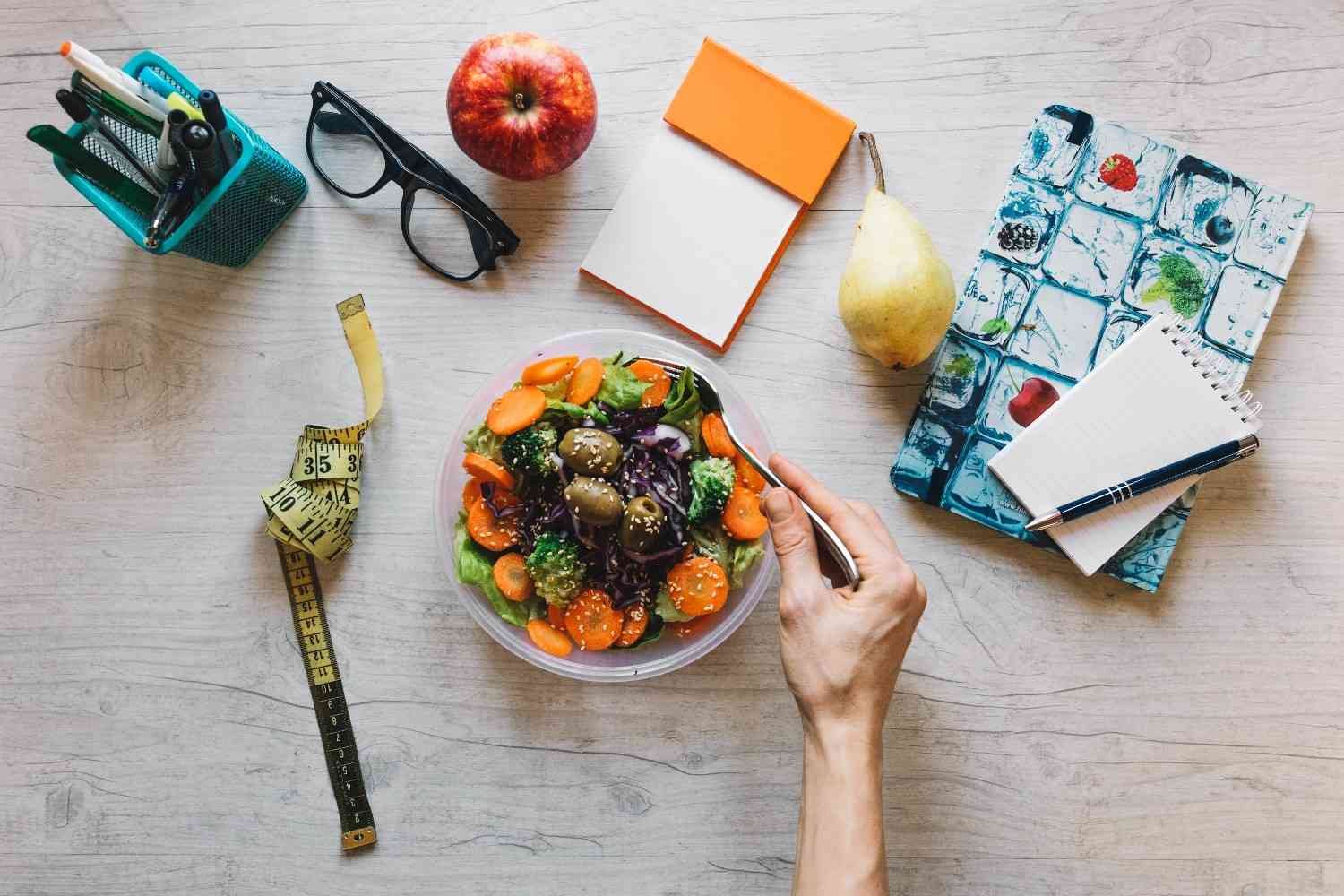
When I started building my routine around low cost healthy meals, I focused on foods that are both affordable and nutrient-dense. According to research from the National Institutes of Health, whole grains, legumes, and vegetables provide high nutrition at a low cost.
In my weekly routine, I rely on staples like brown rice, oats, beans, eggs, and frozen vegetables. These ingredients are easy to find and stretch across multiple meals without increasing my grocery bill.
What really works for me is keeping meals simple. I don’t try to cook something new every day. Instead, I rotate a few reliable meals that keep me full, energized, and within budget.
Which Cheap Healthy Meals Do I Actually Cook Every Week?
Over time, I’ve built a system of go-to meals that are affordable, quick, and satisfying. These meals use pantry staples and cost very little per serving.
Breakfast: Simple and Filling Options
I usually start my day with overnight oats. I mix rolled oats with milk or water and top them with bananas or frozen berries. It costs very little but keeps me full for hours.
Another favorite is an egg bake or veggie frittata. I use leftover vegetables like spinach or broccoli, which helps reduce waste and keeps meals affordable.
Lunch and Dinner: Budget-Friendly Favorites
For lunch or dinner, I often make a black bean and rice skillet. It’s one of the easiest complete protein meals and costs very little per serving.
I also rely on slow-cooker lentil soup. Lentils are incredibly affordable and packed with fiber and protein. One batch lasts me several days.
When I want something quick, I prepare canned tuna or salmon salad. It’s one of the most affordable ways to get omega-3 fatty acids, especially when served on whole-grain bread or lettuce wraps.
Another meal I enjoy is roasted root vegetable bowls with sweet potatoes, carrots, and onions over lentils or quinoa. It feels hearty without being expensive.
What Budget-Friendly Ingredients Should I Always Buy?
One of the biggest lessons I learned is that healthy eating on a budget starts with smart grocery choices. Based on guidance from Healthline, these categories give the best value.
Vegetables (Low Cost, High Nutrition)
I regularly buy broccoli, onions, carrots, cabbage, and potatoes. These are affordable and versatile for multiple meals.
Grains and Legumes (Affordable Staples)

Brown rice, oatmeal, lentils, canned beans, and quinoa are always in my pantry. These ingredients form the base of most meals.
Proteins (Budget-Friendly Options)
Eggs, canned tuna, chicken, and cottage cheese give me enough protein without increasing my grocery bill too much.
Fruits (Cheap and Accessible)
Bananas, apples, and oranges are my go-to fresh fruits. I also keep frozen berries on hand because they last longer and cost less.
This simple approach helps me build balanced meals without overspending.
How Do I Keep My Grocery Bill Low While Eating Healthy?
Shopping smarter made the biggest difference for me. I stopped buying random items and started focusing on a clear system.
First, I choose frozen and canned options when possible. Frozen vegetables are just as nutritious as fresh ones and often cost less.
Second, I rely heavily on pantry staples like rice, beans, and spices. These ingredients allow me to create multiple meals without frequent shopping trips.
Third, I cook in batches. Preparing large meals like soups or casseroles saves time and reduces waste.
Finally, I stick to a shopping list. This simple habit prevents impulse purchases and keeps my budget under control.
Can I Eat Healthy on a Budget Without Getting Bored?
This was one of my biggest concerns at the beginning. I didn’t want to eat the same meal every day. But I realized variety comes from how I cook, not how much I spend.
For example, I use the same base ingredients to create different meals. Rice and beans can become a burrito bowl one day and a stir-fry the next.
Spices, sauces, and cooking methods make a huge difference. A simple change in seasoning can completely transform a meal.
That’s how I keep my routine exciting while still sticking to low cost healthy meals.
How to Build Low Cost Healthy Meals Step by Step
If you want to start eating healthier without overspending, this is the exact system I follow.
First, I choose a few proteins like eggs, chicken, or beans. Then I add a base such as rice or oats. After that, I include vegetables—fresh or frozen depending on price.
Next, I plan a few meals using those ingredients. I keep things simple and repeat meals throughout the week.
Then I shop with a list and avoid impulse purchases. This helps me stay within budget.
Finally, I cook in batches so I always have meals ready. This reduces the temptation to order takeout.
Why Eating Healthy at Home Saves More Money Than Takeout

Before I changed my habits, I spent a lot on fast food. It felt convenient, but it added up quickly.
Cooking at home gives me better control over ingredients, portions, and cost. Even simple meals are healthier and cheaper than most takeout options.
Now, I see cooking as an investment in both my health and my finances.
Frequently Asked Questions (FAQs)
1. What is the cheapest healthy meal I can make?
From my experience, rice and beans is one of the cheapest and most nutritious meals. It provides protein, fiber, and energy at a very low cost.
2. How can I eat healthy on a tight budget?
I focus on staples like oats, eggs, beans, and frozen vegetables. Planning meals ahead of time helps me avoid overspending.
3. Are frozen foods healthy for budget meals?
Yes, frozen fruits and vegetables retain most of their nutrients and are often more affordable than fresh produce.
4. How do I make low cost healthy meals taste better?
I rely on spices, garlic, sauces, and simple cooking techniques. Small changes in flavor make a big difference without increasing cost.
What Changed for Me After Switching to Budget Healthy Eating
Once I committed to a simple system, everything became easier. I stopped stressing about food costs and started enjoying my meals again.
Eating healthy doesn’t have to be expensive. With the right approach, simple budgeting tips, and consistent habits, it becomes a sustainable lifestyle that actually feels good to follow.